
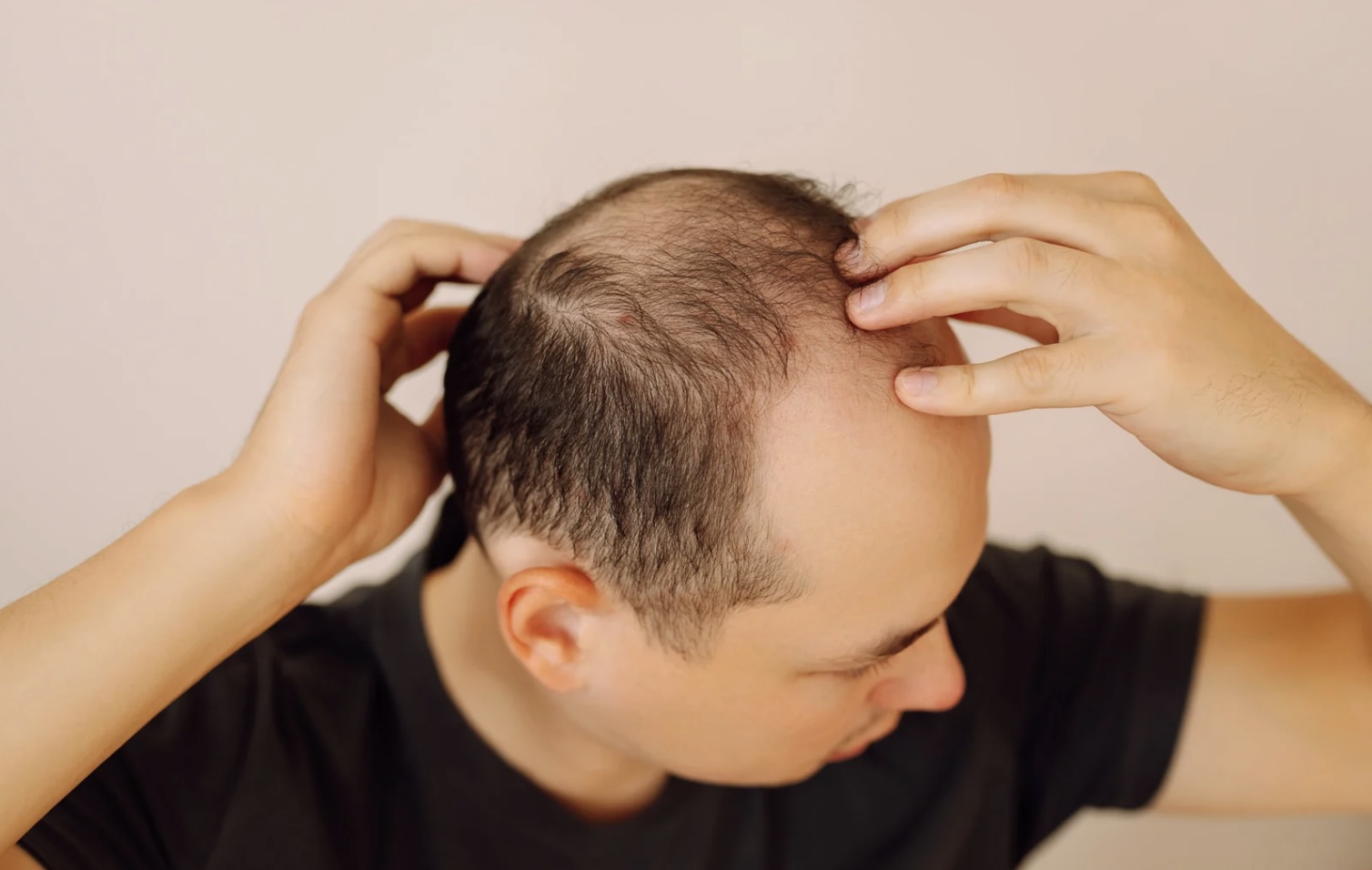
Let’s be honest, male hair loss has this sneaky way of showing up.
Before you know it, your hair loss will start to show. You might first notice that you’re losing more hair than usual when you wash your hair (watch out for the shower drain!).
Other times, it can start thinning randomly and you’ll have no idea where it’s coming from. And of course, there are even instances where your hair will behave exactly as you want it to, and then suddenly it will reverse and behave on its own.
Most men require a combination of hair loss treatments to achieve the best results. However, prices vary greatly depending on the hair loss treatment and the hair clinic in Singapore.
Most Singapore clinics can perform a simple scalp scan to determine the extent of hair loss and assess the best course of treatment to begin with – a small investment for your hair.
Let’s break down the options.
Understanding Male Hair Loss
Common Causes
Genetics is usually the main culprit. But other things matter too:
- Male pattern baldness (classic reason)
- Stress, hectic lifestyle
- Hormonal shifts (especially DHT sensitivity)
- Lack of certain nutrients
- Medical conditions or medications
Why Early Treatment Matters
Hair follicles weaken gradually. Wait too long, and some may shrink beyond rescue.
Treating early helps protect what you have and makes other treatments more effective. Trust me, it’s much easier to save hair than to regrow it.
Top 7 Male Hair Loss Treatments in Singapore
1. Herbal Hair Loss Treatments
Natural, non-invasive, and often overlooked. Herbal male hair loss solutions use plant extracts plus clinically tested ingredients to slow shedding, strengthen hair, and nudge dormant follicles awake.
Highlights:
- Tackles DHT sensitivity and follicle weakness
- Safe for long-term use
- Can be paired with other treatments
- Supports scalp health
Perfect if you’re the kind of guy who prefers a natural approach first.
2. Oral Medication: Finasteride
Finasteride lowers DHT, the hormone that shrinks follicles. Less DHT = slower shedding and thicker hair over time.
Points to note:
- Taken once daily
- Works best for early to moderate hair loss
- Needs doctor supervision because of possible side effects
Think of it as a “slow and steady” approach. Patience is key here.
3. Topical Medication: Minoxidil
Minoxidil improves blood flow to the scalp and extends the hair growth phase. Consistency is everything—results aren’t overnight but steady.
Options:
- Foam: lightweight, non-greasy
- Solution: sticks better to the scalp
Tip: Combine with finasteride for stronger results.
4. Low-Level Laser Therapy (LLLT)
This uses gentle laser light to stimulate weak follicles. Non-invasive, painless, and can fit into your weekly routine.
Pros:
- No downtime
- Works gradually over months
- Can combine with most other treatments
I know a friend who swears by it; he puts on a small helmet for 20 minutes while binge-watching his favourite series.
5. Platelet-Rich Plasma (PRP) Therapy
PRP involves injecting concentrated growth factors from your own blood into thinning areas. It revives follicles and thickens hair.
Quick facts:
- Usually monthly appointments at first
- Often paired with medication
- Fast boost in density
It’s ideal if you want visible results sooner.
6. Hair Transplant Surgery (FUE & FUT)
Transplants offer long-lasting, noticeable results when other treatments aren’t enough.
Options:
- FUE: individual follicle extraction
- FUT: strip method
Good candidates:
- Advanced hair loss
- Strong donor hair at the back
- Ready for a permanent fix
Results unfold over 6–12 months, but it’s worth the wait if you want something definitive.
7. Scalp Micropigmentation (SMP)
SMP doesn’t grow hair; it creates the illusion of fuller density with tiny tattoos.
Best for:
- Thinning hair but still some coverage
- “Shaved head” style
- Quick, low-maintenance results
Instant improvement, no needles required.
Bonus: Prescription-Strength Shampoos & Serums
These help scalp health, reduce inflammation, and support hair growth. Look for:
- Ketoconazole
- Caffeine extracts
- Peptides and growth factors
They won’t replace medication or PRP, but they complement your routine nicely.
How to Choose the Right Treatment
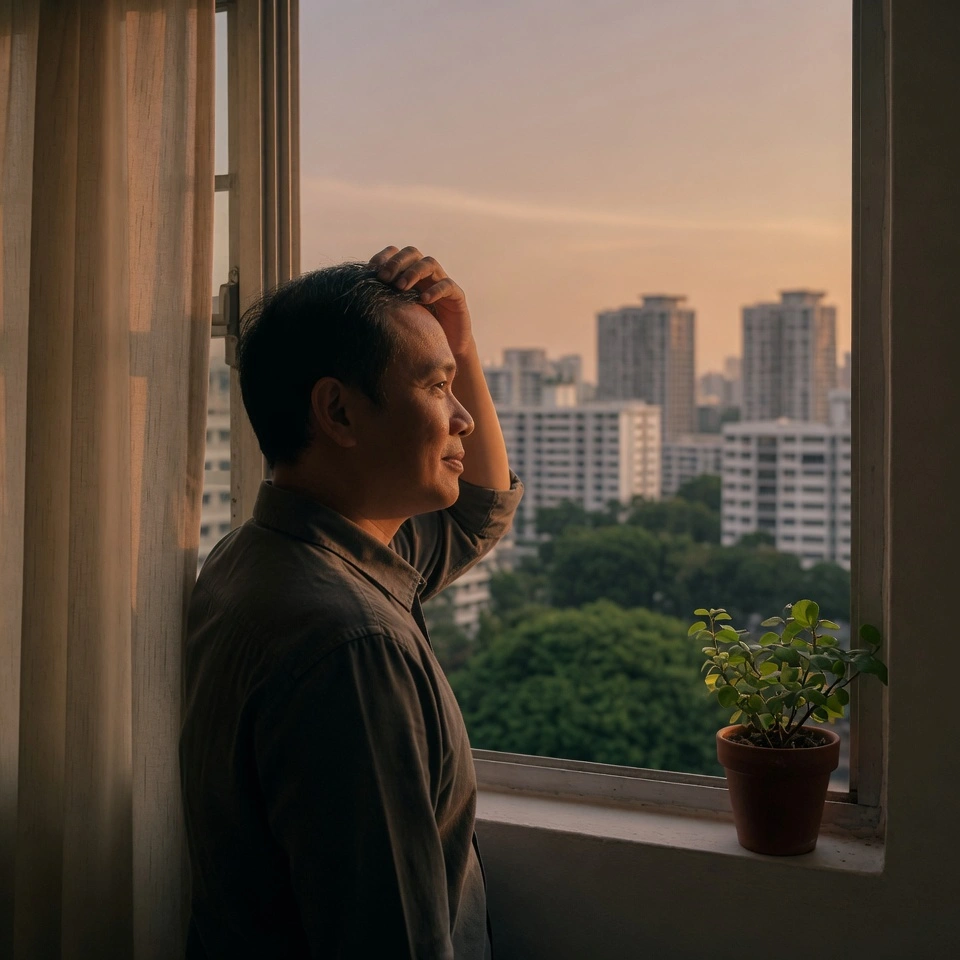
Hair loss in Singapore is often a subtle issue which surfaces at the most inopportune of times. Whether it is noticing wider parts when you get ready in the bathroom or seeing more hair than normal in your drains after a long day, hair loss can be a sensitive topic for many men in Singapore. With busy careers, demanding relationships, and social lives, many men in Singapore struggle to come to terms with hair loss and its effects on their identity and self-perception in public.
Determine the Cause
Your initial consultation with a dermatologist should start with a professional scalp analysis to determine your hair density and the condition of your hair follicles. Your dermatologist will then have a better understanding of your hair loss by discussing your medical history and current lifestyle. For example, they may ask you about your sleep patterns, stress levels and eating habits. Often, people attribute their hair loss to genetics, but in reality, it is a complex process in which your genes interact with your lifestyle.
Stage Matters
The extent of hair loss you’re experiencing will also determine the type of treatment you need. It is important to remember that hair loss treatment is a gradual process and those who are experiencing hair loss will need to be patient and give their hair time to grow back. The various stages of hair loss require different approaches and treatments.
Mild Hair Loss
In the early stages of hair loss, you can address your thinning hair with gentle products, including herbal remedies containing plant extracts and nutrients. Topical applications of Minoxidil and oral application of Finasteride under a doctor’s guidance can also work well for stabilising hair loss and saving hair. Additionally, low-level laser or light therapy can stimulate hair growth.
Moderate Hair Loss
Combining different treatments is more effective at tackling moderate hair loss. We have found that combining a medical treatment with a non-surgical hair loss treatment, such as Platelet-rich plasma (PRP) with a hair loss medication, or layering an herbal support formula on top of a Minoxidil and Finasteride regimen, combined with low-level laser therapy, has some of the best balanced results.
Advanced Hair Loss
More men may undergo surgical hair transplant solutions such as FUE (Follicular Unit Extraction) to achieve long-term results and to restructure the hair-loss area. These solutions often go hand in hand with long-term hair-loss solutions to achieve the desired results.
Lifestyle & Budget
Always take into consideration the treatment schedule and cost. While some treatments require daily effort at home, others may require only a few visits to a dermatology clinic. With a wide array of hair loss treatments on the market today, some are affordable in monthly costs, while others can be quite expensive in the long term. It is also very important to evaluate the treatment’s long-term value and its sustainability in your busy life in Singapore.
What to Expect in Consultation
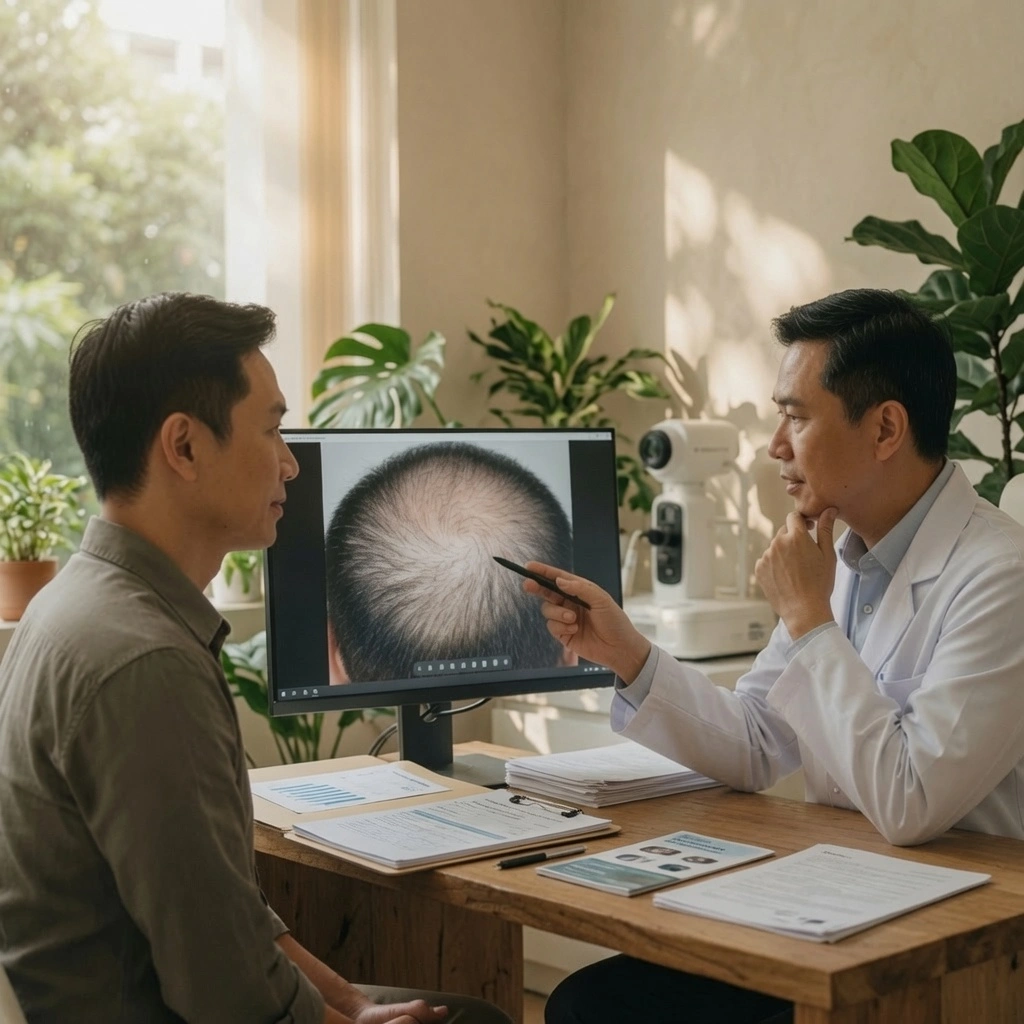
Look for a treatment clinic to give you a scalp assessment, a history of your hair loss and discuss your hair goals in terms of how you see yourself at work and in your social life. They should be able to give you a timeline for when you can expect to see results from your hair loss treatment.
Reputable sources, such as the American Academy of Dermatology, have published articles on androgenetic alopecia, noting that hair loss treatments take time to work and that hair grows slowly. As with any change in your life in Singapore, it takes time to get used to it.
Safety First
All treatments are generally safe under medical guidance. Common side effects are mild:
- Scalp irritation
- Temporary shedding
- Dryness
- Hormonal effects (Finasteride only)
Always choose licensed clinics with experienced practitioners.
Bottom Line
Hair loss can be so frustrating, but don’t worry; there are many solutions available in Singapore, from slowing hair shedding to strengthening your hair as is to even promoting hair regrowth while you sleep.
The most important thing is to identify the root cause of your hair loss, understand its extent, and stick to your regimen. If you started to lose hair early, consider combining the different solutions to achieve better results and don’t panic, as hair loss is temporary and your hair is not lost yet.