

I’ve always thought Singapore was just a city, but I was wrong. It is a stage for connoisseurs who appreciate taste and quality.
Wine has also become more mainstream and is now a part and parcel of our daily lives. Rather than having a bottle of wine only on special occasions, Singaporeans now have wine as part of their regular routines, such as having a glass after work or a bottle with friends for dinner. Some even have a small collection of wine bottles stored at home.
Selecting the wrong wine supplier can quickly turn what looks to be a great selection for that nice night in, or perhaps even adding to your growing collection, into a bit of a gamble.
When it comes to selecting a wine supplier, there are many more factors to consider than just who offers the lowest prices. Yes, price is a factor, but generally the lowest price doesn’t necessarily mean the best deal in the long run. We consider three key aspects: consistency, integrity, and transparency.
While incorrectly labelled, poorly stored bottles, and delayed delivery are often frustrating, they can also have far greater implications, ruining a special occasion, losing a customer for life, or even negatively affecting wine collectors who have invested in their particular vintage or style.
I believe that all products should arrive in perfect condition, and if they don’t, then it’s careless and bordering on dishonest.
Understand Your Needs

First, ask yourself: what do you actually need? Are you the type who sips red casually on Fridays, or are you curating a collection meant to impress a sommelier? There’s a big difference. Personal enjoyment is one thing. Supplying a business? A whole other ball game.
Then think about types and amounts of wine. Reds, whites, rosés, sparkling, dessert wines, rare vintages — they all have quirks.
A supplier who’s great with everyday bottles might stumble with delicate or rare vintages. And quantities? They matter. Are you ordering consistently every week, or just occasionally?
Planning this in advance can save countless headaches later. I once ordered a small batch of rare whites from a supplier who looked fine online… let’s just say, the delivery was late, half the bottles were shaken, and I learned the hard way why small details matter.
Research and Shortlist Suppliers
Singapore has no shortage of suppliers, but quality varies dramatically. Start online: websites, reviews, social media. Suppliers who take care with presentation and describe storage and provenance properly usually take care with the product too. Sloppy websites? Often a red flag.
But don’t rely on online reviews alone. Ask friends, colleagues, or industry contacts. Who do they trust? Who consistently delivers quality?
In my experience, suppliers that survive for years without cutting corners are usually worth your attention. For broader context on how everyday choices and rituals shape our sense of identity and belonging in Singapore, see this IPS study on national pride and identity. Certifications, awards, and partnerships can feel flashy, but they also signal seriousness and commitment.
Check Quality and Variety
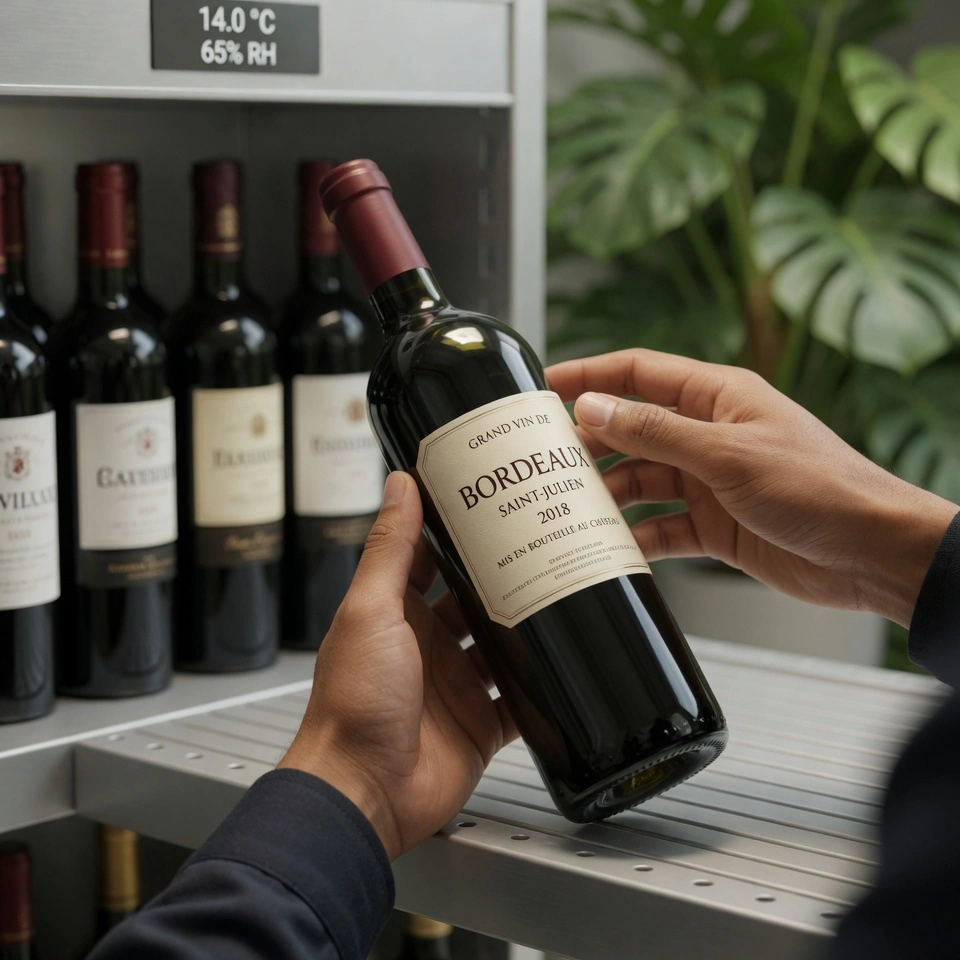
A good supplier offers both quality and variety. One without the other? Be wary. They should have wines from multiple regions, grapes, vintages — it shows curiosity, respect, and expertise.
Authenticity cannot be compromised. Mislabelled bottles, counterfeit wines, poor storage—these are deal-breakers. Provenance is everything. Even if you never buy rare bottles, knowing your supplier can source them demonstrates depth and knowledge.
And here’s the thing: variety is not just about having more bottles. It’s about understanding. Some suppliers know their reds intimately but stumble with sparkling or dessert wines.
Others can guide you through a complete tasting experience. Seek the ones who know their craft, who can explain why a certain vintage behaves differently than the same grape elsewhere.
Pricing and Value
Price is important; cheap does not equal good. A business should have transparent pricing. There is nothing worse than being told of hidden fees, extra charges and increased taxes at the point of purchase.
I am willing to pay a premium for wine in bulk if the quality does not compromise. In addition to storage, how it is shipped is also very important. A good supplier would invest in temperature-controlled shipping to ensure the highest quality of wine.
This was also the reason why I spent more for a wine supplier that offers temperature-controlled shipping. After that, half the suppliers that I had dealt with in the past were relegated to the ‘not worthy to be contacted’ list. Why? Because although they charged less for their wines, they were also likely to be cutting corners and this tiny difference in cost will translate to big losses for me in the form of bad wine.
Service and Support
Even the best of wines can be ruined by terrible service. They should have enough knowledge about the various wines to answer any questions you may have, and they should reply promptly to any emails or calls you make. It is also very helpful if they can advise you on which wines to pair with your meals and help you build your wine collection.
Being flexible and able to deal with custom orders, last-minute requests, special storage requirements, etc. All of us need return policies that are clearly outlined and fair. We all make mistakes. It’s how they’re rectified that really matters.
Add to the small touches that a supplier gives. They may remember a previous order of yours, and suggest you buy wines from a particular region. Or they warn you that a wine arrives on the brink of its peak.
This is a major difference between transactional wine suppliers and those who can meaningfully improve your wine experience.
Legal Compliance
Not glamorous, but important to check whether the seller is licensed. Some countries like Singapore have strict rules and you want to ensure that you and your supplier are protected. Check whether the seller conducts age verification and complies with all import regulations.
Reliability in following the law is not just important; it is crucial. I don’t want to have to worry about problems caused by a supplier who is breaking the laws regarding wine sales in Singapore. Whether it is to verify a customer’s age or comply with import restrictions, the supplier must be willing to follow the rules to ensure your experience is a pleasant one.
See It for Yourself
If possible, I would like to visit their warehouse or store to see how the bottles are stored, meet the staff, and get a feel for their organisation and professionalism. And of course, I would want to attend tasting sessions.
You get to see the store’s quality, the bottles on the shelves, and the variety of wines they carry. You get to taste a few of their bottles. And, every now and then, you stumble upon a hidden treasure that they have, maybe a small production wine from a region like Burgundy that they don’t normally carry. And the wine is not advertised on their website, nor is it written about by anyone else online. So you get to see what the supplier has to offer.
I was introduced to a little-known wine from Burgundy when I visited a supplier’s warehouse recently. The wines were stacked away in a dusty corner of a shelf. I didn’t see them online when I searched for wines from Burgundy and no other online wine seller had mentioned them to me either. That’s why it’s such a good idea to see where you are buying your wine from and taste some of the wines that they have in stock. You never know what hidden gems you might discover.
Make Your Choice
As we research, we taste and think about quality, variety, price, service, and reliability. Of course, we also test the delivery of a first order, check the condition of the bottles, and assess the quality of the customer service department.
A trusted wine supplier in Singapore becomes a partner, someone who knows your quirks, your preferences, your standards. One good supplier beats ten mediocre ones every time.
The most important thing is to have a good relationship with a supplier; take time to build it up. They should be your partner; they should know you and your tastes. The best supplier of wine in Singapore is one who respects the wine they sell and passes that respect on to you, making your wine experience more special.
Choosing a wine supplier in Singapore is not a casual decision. It requires a great deal of discernment, patience and attention to quality that never falters.
Wine can be considered as more than just a drink. It can also represent a person’s craftsmanship, a consumer’s experience and even the finer aspects of life. As such, it is of utmost importance to find the right supplier who can ensure an uncompromised wine-drinking experience.